The Future of AI in K-12 Education: A 2026 Perspective
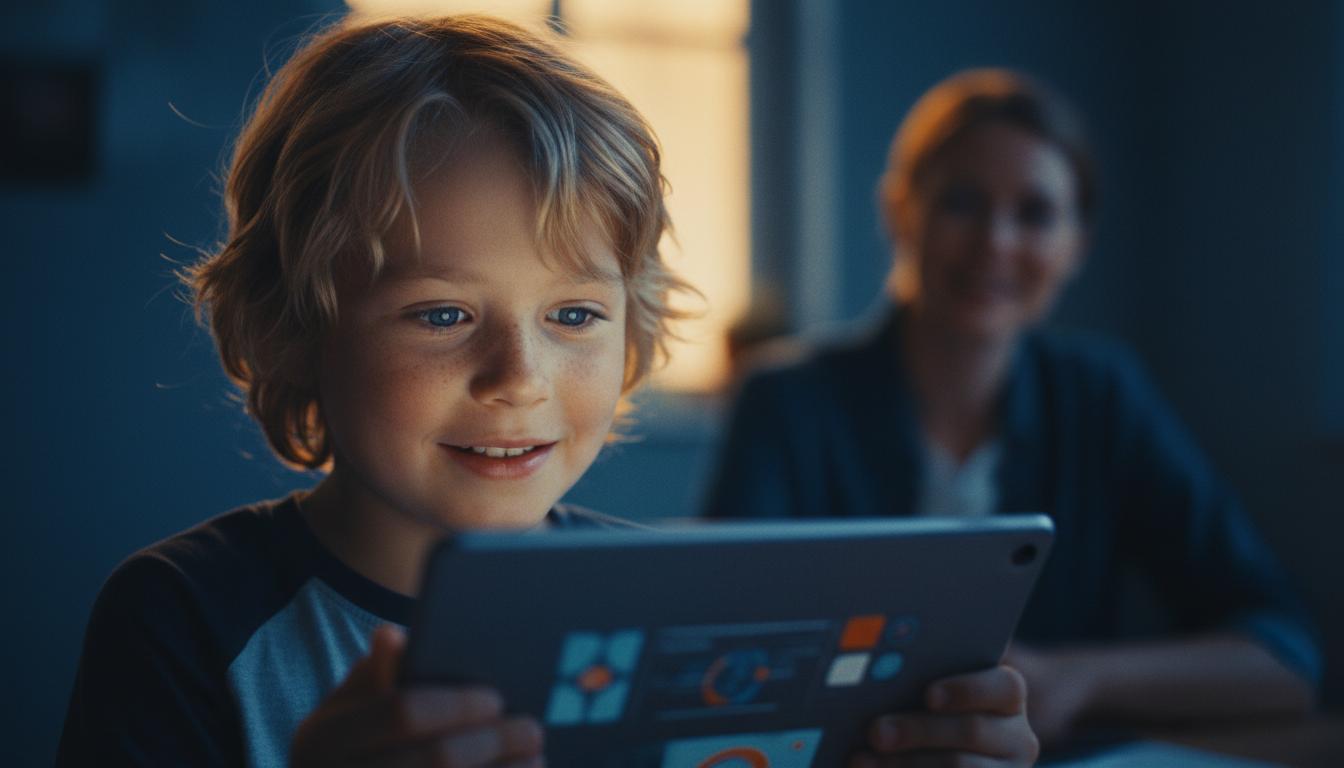
One Classroom, Three Different Realities
It is 9 AM. The school bell has rung, and the teacher begins the lesson. In the front row sits a student who has already mastered the topic and is growing bored. In the middle, another student is keeping pace, more or less following along. And in the back row, there is a child who fell behind two lessons ago and has been unable to catch up since.
Three students. One classroom. One teacher. And a system that expects the same outcome from all of them.
This scene plays out every day, in millions of classrooms around the world. Teachers pour their hearts into their work, yet the structural limitations of the system make it nearly impossible for them to meet every child where they are. Time is limited. Resources are stretched thin. And the curriculum waits for no one.
"Can you explain this to me in a simpler way?"
This is a question most children are afraid to ask. Fear of judgment, fear of slowing the class down, fear of seeming "stupid." But what if there were a space where this question could be asked freely, at any time, without shame?
That is the question at the heart of the transformation we are witnessing. Not whether AI belongs in education, but how we can use it to ensure no child is left behind.
AI in the Classroom: The Invisible Assistant Empowering Teachers
Let us be clear: AI is not here to replace teachers. The idea that a machine could take the place of a caring, insightful educator is not only wrong — it is dangerous. What AI can do, however, is act as a force multiplier for teachers who are already stretched beyond their limits.
Imagine a teacher who can instantly see which students struggled with last night's homework, what specific concepts are causing confusion, and which students are ready to move ahead. Imagine lesson plans that adapt in real time based on classroom performance data. Imagine a grading assistant that handles the routine work so the teacher can focus on what matters most: the human connection.
This is the vision behind HeySchool — not an AI that teaches, but an AI that empowers teachers to teach better, with more insight and less burnout.
In pilot programs, teachers using AI-assisted tools report spending 40% less time on administrative tasks and significantly more time on one-on-one student interactions. The technology does not diminish the teacher's role; it elevates it.
AI at Home: The Child's Patient, Non-Judgmental Learning Companion
When the school day ends, learning does not stop — but support often does. Parents want to help, but they may not have the time, the subject knowledge, or the pedagogical training to guide their child effectively. Private tutors are expensive and inaccessible to most families.
This is where a different kind of AI enters the picture. Not a search engine that gives answers, but a learning companion that asks the right questions. One that uses the Socratic method to guide children toward understanding, step by step, at their own pace.
HeyKids was built on a simple but powerful belief: every child deserves a patient, always-available tutor who adapts to how they think, not just what they need to learn.
A child who is struggling with fractions at 8 PM on a Tuesday does not need to wait until tomorrow's math class. They need help now — help that is gentle, encouraging, and meets them at their level. AI can provide that, safely and effectively, while keeping parents informed and in control.
Two Sides of the Same Technology: Opportunities and Risks
We would be irresponsible to discuss the promise of AI in education without addressing the risks. The same technology that can personalize learning can also, if poorly designed, entrench biases, compromise privacy, create unhealthy dependencies, or expose children to harmful content.
This is why the design philosophy matters as much as the technology itself. Child safety cannot be an afterthought. Data privacy cannot be a checkbox. And pedagogical integrity cannot be sacrificed for engagement metrics.
At HeyLabs, we have made a deliberate choice: to build AI products that are safe by design, not safe by policy. Every feature, every interaction, every data point is evaluated through the lens of child welfare first.
This means no data selling. No manipulative engagement loops. No unsupervised access to open-ended AI. Instead, structured learning paths, transparent parental controls, and AI behavior that is continuously monitored and refined.
The Classroom of the Future: Learning With AI
The future of education is not a choice between human and machine. It is a partnership. Teachers bring empathy, creativity, moral guidance, and the kind of understanding that only comes from being human. AI brings scalability, patience, data-driven insights, and the ability to meet each child exactly where they are.
When these forces work together — when the classroom and the home are connected through a shared ecosystem of tools built for learning — something remarkable happens. The child in the back row starts catching up. The child in the front row is finally challenged. And the teacher can breathe.
The new story of learning does not start with technology. It starts with a child, a question, and the belief that every learner deserves to be seen. Technology is simply the bridge that makes it possible at scale.
At HeyLabs, we are building that bridge. With HeyKids for the children. With HeySchool for the educators. And with an unwavering commitment to the idea that AI in education must serve humans — not the other way around.
The classroom of 2026 is not a science fiction fantasy. It is being built right now, one interaction at a time. And we believe the best is yet to come.